
The new ‘Pubs Power Community Sport 2025’ report, produced by PubAid with research and insight from KAM, provides one of the clearest pictures yet of the role pubs play in supporting grassroots and community sport across the UK. The findings should make every hospitality leader sit up.
Despite there being 7% fewer pubs today than in 2019, the sector is still investing around £40m a year into community sport. That support fuels approximately 6.7m activity sessions and reaches an estimated 1.7m people annually. These are not speculative figures. They demonstrate a sector making a measurable difference to public health, community cohesion and local engagement.
Pubs as active enablers of community activity
Pubs are not passive bystanders in the world of sport. They are active enablers. Across the country, pubs sponsor teams, host leagues, provide meeting space, store equipment, act as training hubs and offer a base for walking groups, cycling clubs and inclusive sports sessions. While football continues to dominate, pubs now support a broader range of activities than ever before, including netball, darts, rugby, pool, walking football and mixed-ability sports. This breadth of involvement matters. With community facilities under pressure and inactivity levels rising, pubs are often the most accessible remaining space for local people to be active together. They are familiar, welcoming, trusted and geographically rooted in the communities that need them most.
Why this matters for operators, suppliers and policymakers
For operators, suppliers and brand partners, the report lands at an important moment. Government agendas around health, loneliness, levelling up and prevention all rely on strong local infrastructure. Pubs are already providing that infrastructure. Independently run pubs in particular act as informal clubhouses and centres of community identity. They create structure, routine and opportunities for connection that formal facilities often struggle to maintain. This positions the pub sector as a core contributor to national wellbeing goals. It also provides hospitality businesses with a clear strategic opportunity to demonstrate their value to policymakers, customers and communities.
The commercial ipside of supporting grassroots sport
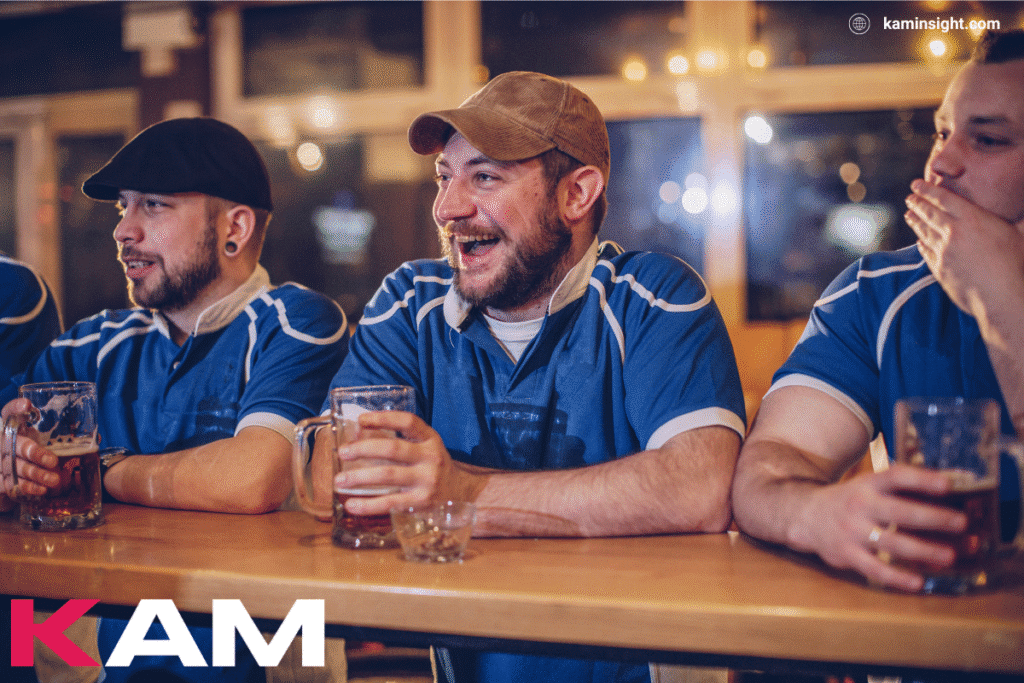
Support for grassroots sport is socially beneficial and commercially sound. According to the research, 9 in 10 pubs report a direct business benefit when they engage with local sport. The advantages are consistent and practical: midweek footfall from team nights, reliable repeat visits from leagues, stronger customer loyalty, enhanced local reputation and increased cross-generational appeal. Pubs that show live sport see the biggest wins. They tend to support more community sport and, in turn, attract more customers connected to those activities. Live sport drives the atmosphere. Community sport drives the participation. Together, they create sustainable trading patterns that strengthen the long-term health of the venue.
Barriers to growth and opportunities for support
The report shows that many pubs want to expand their support for grassroots sport. The main barrier is finances. Rising costs mean sponsorship and hosting can be difficult to scale. Time, staffing and access to local club networks add further challenges. This creates an obvious opportunity for operators, suppliers and national brands to step in with targeted support and investment.
A call to action for hospitality leaders
For hospitality leaders, the message is simple. Pubs are delivering enormous value to communities and to the UK economy. They are doing it consistently, creatively and often without recognition. PubAid’s report, supported by KAM’s research and insights, highlights not just what pubs are already achieving but what could be unlocked with the right backing. Pubs are not just good for business. They are good for Britain. Let’s ensure the sector gets the support and attention it deserves.
Interested in understanding your category, consumers, customers or employees a little better? Take a look at other work we’ve done and get in touch to see how we can help you.
